

Cart
0
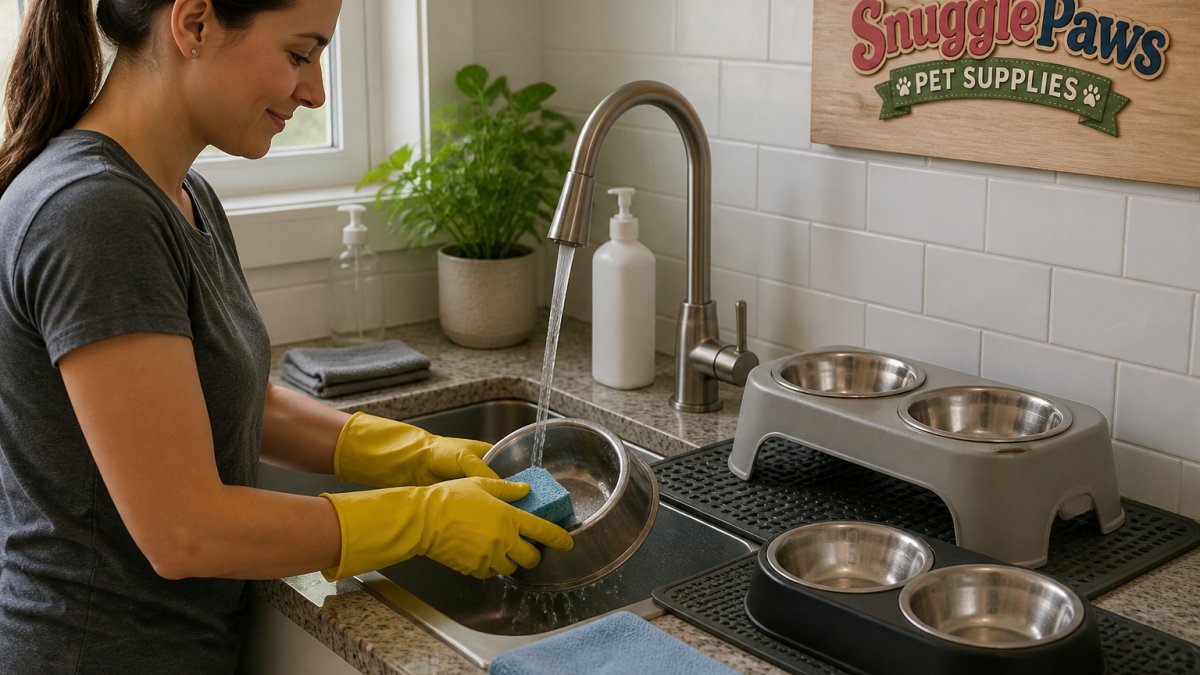
Table of Contents
- What You'll Need to Clean Non-Slip Pet Feeding Stations
- Daily Cleaning: Wiping and Rinsing Your Feeding Station
- How Often to Wash Dog Bowls and Mats
- How to Clean a Silicone Pet Feeding Mat
- Pet-Safe Cleaner for Feeding Mats and Bowls
- How to Remove Odors From a Dog Feeding Mat
- Deep Cleaning and Disinfecting Your Feeding Station
- Drying, Storage, and Preventing Mold
- Frequently Asked Questions
Last Updated: October 6, 2026
What You'll Need to Clean Non-Slip Pet Feeding Stations
Cleaning clean non-slip pet feeding stations doesn't require fancy supplies. Gather warm water, mild dish soap, a soft brush or old toothbrush, and a clean cloth. That's the foundation for daily maintenance.

For stubborn stains and deeper cleaning, add white vinegar and baking soda to your toolkit. These natural ingredients work well on dried food and odors without harsh chemicals that could harm pets.
Keep cleaning supplies in one spot near the feeding area. This makes the routine faster and easier to stick with.
Pro Tip
Store your cleaning tools in a small basket next to the feeding station. When supplies are visible and within reach, you're far more likely to wipe down the mat after each meal instead of letting food dry.
Daily Cleaning: Wiping and Rinsing Your Feeding Station
Remove food bits and drool immediately
The best time to clean is right after your pet finishes eating. Food and drool left sitting for hours turn into stubborn, dried-on messes that take real effort to remove.
Use a damp cloth to remove loose food bits and drool while they're still wet. This takes 30 seconds.
For cats and dogs that drool heavily, a quick rinse under the tap works even faster. Hold the bowl under warm running water and use your fingers to loosen debris.
Watch Out
Leaving wet food residue on the mat overnight creates a breeding ground for bacteria and mold. Even if the mat looks clean, bacteria can grow invisibly and cause odors or illness.
Rinse with warm water
After wiping, a proper rinse removes soap, food particles, and bacteria. Warm water works better than cold because it dissolves oils and dried food more effectively.
Hold the feeding mat under running warm water. Rinse the food bowl and water bowl thoroughly as well, making sure no soap residue remains.
If your mat has a raised edge or lip, water often pools there. Tip the mat to drain that water completely. Any standing water left behind can develop odors.
How Often to Wash Dog Bowls and Mats
Daily rinsing keeps your pet's feeding station fresh, but a deeper wash happens less often.
If your pet is a messy eater or sheds heavily, increase washing to every other day.
The frequency also depends on the material. Stainless steel bowls tolerate frequent washing without damage. Silicone mats and ceramic bowls benefit from a slower, gentler routine.

Keep a simple schedule: rinse and wipe daily, deep wash 3-4 times weekly. This prevents odors, bacteria buildup, and staining while protecting your feeding station's lifespan.
How to Clean a Silicone Pet Feeding Mat
Silicone is the most common non-slip mat material, but it is not the only one. The right cleaning method depends on what your station is made of, so start by checking the manufacturer's care tag or product page. That single step prevents most damage.
Silicone and rubber mats
Silicone and rubber are flexible, water-resistant, and generally dishwasher-safe on the top rack if the manufacturer says so. For hand washing, rinse under warm running water, then work a soft brush or old toothbrush across the dimpled texture and into the corners where food collects.
Avoid harsh scrubbing on silicone. It wears down the surface and can dull the grip over time.
Fabric and absorbent mats
Fabric and absorbent mats trap moisture, so they need a different routine. Check the care label first. Many are machine washable on a gentle cycle with mild detergent, but some require hand washing and air drying. Never put a fabric mat in the dryer on high heat unless the label allows it, heat can shrink the backing or warp the non-slip layer. After washing, hang or lay the mat flat to dry completely on both sides before putting it back under the bowls.
Hard plastic and coated stations
Hard plastic and coated stations wipe down easily but scratch just as easily. Use a soft cloth or sponge with warm soapy water, and avoid abrasive pads. Pay attention to seams and molded corners where food and water collect. Rinse well and dry both sides.
Ceramic and stainless steel bowls
Ceramic bowls are dishwasher-safe unless the label says otherwise, but hand washing with warm soapy water and a soft sponge is gentler on glazes and painted designs. Stainless steel bowls tolerate frequent washing and dry quickly. Dry ceramic bowls right away to prevent water spots and mold on the rim.
The soak-and-scrub sequence for stubborn buildup
When dried food, grease, or a slimy film has built up, use this order:
- Scrape off loose debris with a soft spatula or your fingers.
- Soak the mat and bowls in warm water with a few drops of mild dish soap for 15 to 20 minutes.
- Brush textured surfaces, corners, and the inside of the raised lip with a soft brush.
- For grease or biofilm, add a tablespoon of baking soda to the soak water and repeat the brush step.
- Rinse under warm running water until no soap or baking soda remains.
- Dry both sides completely before returning the station to the floor.
That sequence removes most stubborn buildup without harsh chemicals or abrasive scrubbing, and it works across silicone, rubber, plastic, and ceramic.
Pro Tip
Snap a photo of the care tag on your mat and bowls when you first buy them. That way you always have the manufacturer's washing and drying instructions on hand, even after the tag fades or falls off.
Pet-Safe Cleaner for Feeding Mats and Bowls
Most of the time, warm water and a mild dish soap are all you need. The gap most guides skip is knowing when soap is enough, when you actually need to disinfect, and how to rinse so no residue is left behind for your pet to lick up.
When soap alone is enough
For everyday messes, kibble crumbs, drool, a little wet food, soap and water do the job. Mild dish soap lifts oils and food residue, and the mechanical action of wiping and rinsing carries bacteria away. You do not need a disinfectant after every meal.
Save the stronger steps for when they matter: after a sick pet has eaten from the station, after raw food has sat out, or during your monthly deep clean.
A safe disinfecting solution you can mix at home
White vinegar is the go-to pet-safe disinfectant for most households. Mix one part white vinegar with three parts warm water in a spray bottle. Spray the mat and bowls, let the solution sit for at least 5 minutes of contact time, then rinse thoroughly under warm running water.
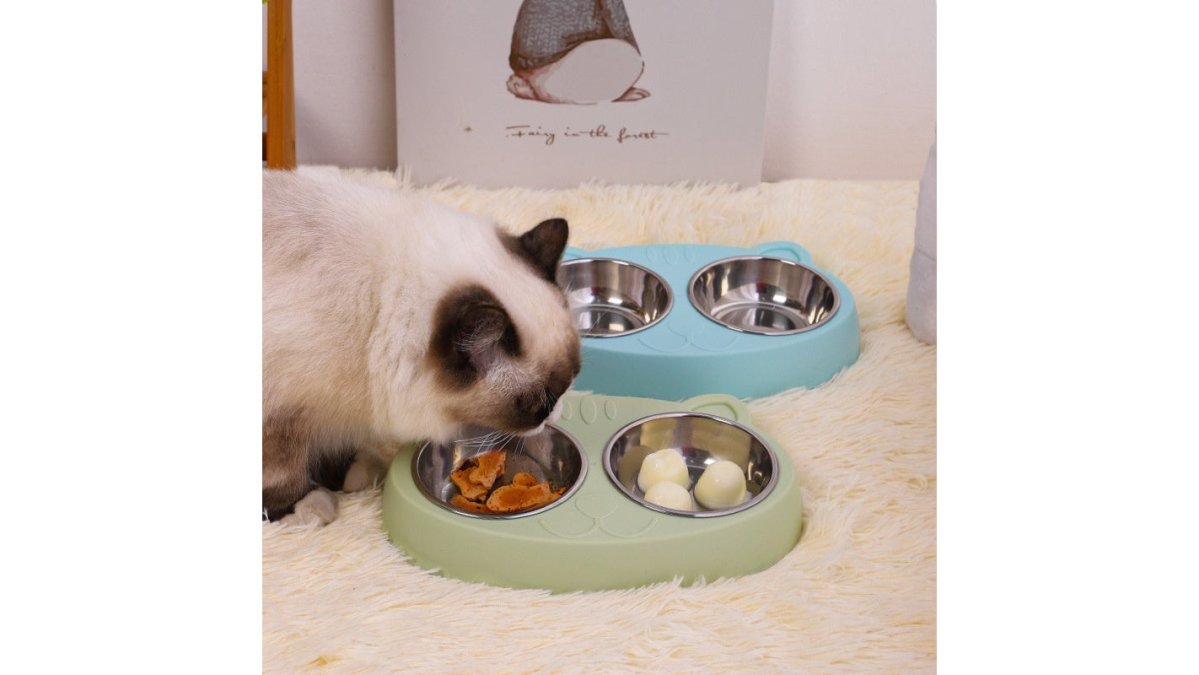
Pet Anti Slip Feeding Bowl With Stand →
If you want a second option, look for a cleaner labeled for pet areas and follow the label's contact time and rinse instructions exactly. Do not assume a kitchen or bathroom disinfectant is safe just because it dries clear.
What to avoid around pets
Skip bleach, ammonia, and most commercial disinfectant sprays on feeding stations. These leave residue that pets ingest when they eat or drink, and even small amounts can irritate the mouth, throat, and digestive tract. Never mix vinegar with bleach or ammonia, the combination releases fumes that are dangerous to pets and people (the CDC).
Also avoid abrasive cleansers and scouring pads on silicone, rubber, and coated surfaces. They scratch the finish, and scratched surfaces trap food and bacteria more easily over time.
Rinsing is the step people rush
After any cleaner, rinse until the surface no longer smells like the product and water runs clear. For bowls, fill and dump them two or three times. For mats, tilt them so water flows across the whole surface, including the textured areas and the underside of the raised lip. Soap or vinegar residue left behind is the most common reason a pet suddenly refuses a bowl or develops a stomach upset after a cleaning day.
Watch Out
Never mix vinegar with bleach or ammonia. The fumes are toxic to pets and people, and the risk is highest in small kitchens or bathrooms with poor airflow.
Key Takeaway
Soap and water handle daily messes. Reach for a diluted vinegar solution only when you need to disinfect, always allow the full contact time, and rinse until no residue remains.
How to Remove Odors From a Dog Feeding Mat
Persistent odors usually come from bacteria growing in the mat's material or from mold developing in damp areas.
Soak the mat in a mixture of warm water and white vinegar for 30 minutes. The vinegar kills odor-causing bacteria.
If the smell persists, sprinkle baking soda on the damp mat and let it sit overnight. Baking soda absorbs odors from the material itself.
For mats that smell even after these steps, the material may be permanently damaged or colonized with mold deep inside.
Deep Cleaning and Disinfecting Your Feeding Station
Once a month, give the entire feeding station a thorough deep clean.

Remove the mat and bowls from the feeding area. Wash the floor where they sit with warm soapy water.
Soak both the mat and bowls in warm water with a few drops of dish soap for 20 minutes.
After scrubbing, rinse everything under warm running water at least twice. Make sure no soap residue remains.
For extra disinfecting, spray the mat and bowls with the vinegar solution mentioned earlier.
Pro Tip
Schedule deep cleaning for the same day each month, perhaps the first Saturday. Consistency makes it easier to remember and prevents buildup of stubborn stains and odors.
Drying, Storage, and Preventing Mold
How you dry and store the mat matters as much as how you clean it.
After cleaning, pat the mat dry with a clean cloth. Don't just leave it wet.
Store the mat in a dry location when not in use.
For bowls, dry them immediately after washing. Stainless steel bowls dry quickly.
If your feeding area is humid or damp, consider placing the mat in a spot with better air circulation. Basements and bathrooms trap moisture.
Check the mat weekly for signs of mold or mildew.
Frequently Asked Questions
How often should you clean a non-slip pet feeding station?
Food and water bowls should be washed daily with warm water and mild dish soap to prevent bacterial growth and odors. Feeding mats should be wiped after every meal and deep-cleaned weekly. For pets that drool heavily or are messy eaters, daily mat cleaning is ideal. Establishing a cleaning routine prevents buildup of dried food, grease, and biofilm that can harbor bacteria and create unpleasant smells in your pet's feeding area.
What is the best pet-safe cleaner for feeding mats?
Warm water combined with mild dish soap is the safest and most effective option for pet feeding stations. Avoid bleach, ammonia, and harsh chemical cleaners that can leave toxic residue. For stubborn stains, white vinegar diluted with water works well and is pet-safe. If using a disinfectant, choose pet-safe options and rinse thoroughly with clean water. Always allow mats to air-dry completely before your pet uses them again to prevent ingestion of cleaning residue.
Can you put a non-slip pet feeding mat in the dishwasher?
Many silicone and stainless steel feeding mats are dishwasher-safe, but always check the manufacturer's care instructions first. Dishwasher heat can sometimes degrade silicone mats over time. Hand-washing with warm soapy water and a soft brush gives you better control and helps maintain the non-slip surface longer.
How do you remove dried food and odors from a dog feeding mat?
For dried food, soak the mat in warm water for 15-30 minutes to soften the residue, then scrub with a soft brush or old toothbrush, paying attention to textured surfaces and corners. For odors, soak in a mixture of equal parts white vinegar and water, then rinse thoroughly. Ensure the mat dries completely in sunlight or air, as moisture trapped underneath promotes mold and mildew. Store in a clean, dry area when not in use to prevent odor buildup.
Keeping a non-slip pet feeding station clean protects your pet's health and extends the life of your equipment. A simple routine of daily rinsing and weekly deep cleaning prevents odors, bacteria, and mold. When you invest in quality feeding mats and bowls from SnugglePawsPetSupplies, proper cleaning ensures they stay fresh and non-slip for years. Explore our durable silicone and ceramic feeding mats today and discover how the right equipment makes pet care easier and more rewarding.

