

Cart
0

Table of Contents
- The True Cost of Cheap Pet Beds
- Orthopedic Dog Bed Benefits Explained
- Material Quality and Durability That Lasts
- Best Calming Beds for Rescue Dogs
- Pet Bed Maintenance Tips for Longevity
- Lifecycle Cost Analysis: Investment vs. Expense
- Safety Standards and Material Certifications
- Frequently Asked Questions
Last Updated: September 25, 2026
The True Cost of Cheap Pet Beds
Understanding why premium pet beds are worth the investment starts by recognizing that buying a budget pet bed feels like a smart financial decision at first. The price tag is low, the reviews look decent, and the pet seems comfortable for the first few weeks. Then the fabric tears. The filling compresses into an unusable lump. The smell becomes impossible to ignore. Now the owner is shopping again, having spent twice as much over two years to replace a bed every few months.

This is the hidden math behind cheap pet beds. They cost less upfront but far more over time. A premium pet bed might cost three times as much initially, but it outlasts five budget alternatives. When the math is done correctly, premium pet beds deliver better value, not because they're luxury items, but because they actually solve the problem they're designed to solve.
The difference comes down to materials and construction. Budget beds use thin foam that breaks down quickly under a pet's weight. They use stitching that separates after a few months of use. They use covers that pill and tear instead of holding up to washing. Premium beds use high-density foam that maintains its shape for years. They use reinforced seams and durable fabrics designed to withstand repeated washing and daily wear.
Pet owners at SnugglePawsPetSupplies understand this distinction well. The brand focuses on curated premium pet essentials specifically because durability matters.
Orthopedic Dog Bed Benefits Explained
An orthopedic dog bed is specifically designed to support a pet's joints and spine by distributing weight evenly across a supportive foam base. This type of bed reduces pressure points that cause discomfort, particularly in aging dogs or those with joint conditions.
The benefits extend beyond comfort. Dogs sleeping on orthopedic support beds show improved mobility the next day. They climb stairs more easily. They stand up from rest without hesitation or stiffness. These aren't dramatic changes, they're the small improvements that add up to a better quality of life.
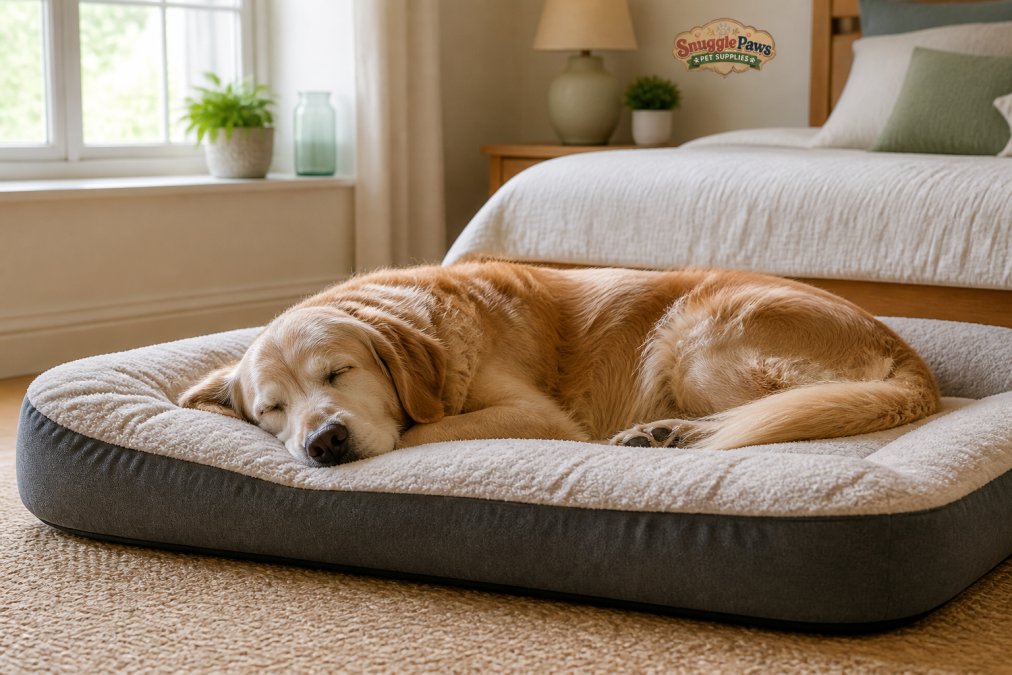
Joint pain and arthritis affect many dogs, especially larger breeds and senior pets. Orthopedic beds don't cure these conditions, but they manage the symptoms. A dog with hip dysplasia or arthritis spends its rest time, which is most of the day, on a surface that either aggravates or alleviates pain. Premium orthopedic beds choose the latter.
The pressure relief benefit applies to all dogs, not just those with existing conditions. Young dogs benefit from proper spinal alignment during growth. Healthy adult dogs recover better from activity when their joints aren't compressed against a hard floor. Preventative care through good bedding is cheaper than treating joint problems later.
Temperature regulation is an underrated benefit of quality orthopedic beds. High-density foam maintains appropriate warmth without trapping excessive heat. This matters for dogs that overheat easily or those in warmer climates. The right bed keeps a pet comfortable throughout the night, improving sleep quality and overall health.
Material Quality and Durability That Lasts
Premium pet beds use materials chosen specifically for longevity. High-density foam maintains its structure for years instead of months. It resists compression and doesn't flatten into an unusable state. The difference between low-density and high-density foam is measurable, high-density foam simply lasts longer under weight and use.
Cover materials matter equally. Budget beds use thin polyester that pills after a few washes. Premium beds use durable fabrics designed for repeated washing and pet contact. Reinforced stitching prevents seams from separating. Waterproof liners protect the foam from accidents, extending bed life significantly.

Waterproof liners deserve specific attention. A single accident, from a puppy, a senior dog with incontinence, or a sick pet, can ruin a budget bed permanently. Moisture soaks into cheap foam and creates odor that never fully disappears. Premium beds with TPU coating or waterproof liners contain moisture, protecting the entire structure. This single feature justifies much of the price difference for households with young pets or rescue dogs with unknown backgrounds.
The construction quality determines durability as much as materials do. Heavy-duty stitching on premium beds means seams don't separate under stress. Double-stitched hems on covers prevent unraveling. Reinforced corners withstand the wear that happens when pets jump on and off the bed repeatedly. These construction details are invisible to casual inspection but become obvious after months of use.
Material toxicity and safety standards matter for pets that spend most of their time on a bed. Premium pet beds often meet or exceed standards for non-toxic materials. Budget beds sometimes use cheaper foam or covers with chemical treatments that off-gas odors. Pets breathing these fumes daily face unnecessary exposure. Quality beds prioritize materials that are safe for long-term contact.
Best Calming Beds for Rescue Dogs
Rescue dogs often arrive with unknown histories and unpredictable stress responses. A calming bed provides security and comfort during the critical adjustment period. The best calming beds for rescue dogs combine physical comfort with design elements that create a sense of safety.

Raised edges or donut-style designs help rescue dogs feel enclosed and protected. Dogs naturally seek out small spaces where they feel secure. A bed with high sides mimics the den-like environment that reduces anxiety. This design element is particularly valuable for dogs transitioning from shelter environments to homes.
SnugglePawsPetSupplies offers calming beds specifically designed for this purpose. The Calming Round Plush Pet Bed Cushion provides the enclosed feeling rescue dogs need. The machine-washable version removes a barrier to adoption, new owners don't have to worry about permanent stains or odors from anxious behavior.
Washable covers are essential for rescue dogs. Accidents happen during the adjustment period. A removable, machine-washable cover means the bed stays in use while the cover gets cleaned. Budget beds without this feature often end up discarded after a single accident, wasting money and creating waste.
The texture of a calming bed matters as much as its structure. Soft plush materials encourage pets to settle down. Rough or scratchy fabrics create the opposite effect. Premium calming beds use materials that feel good to touch, encouraging the dog to actually use the bed rather than avoiding it.
Calming Round Plush Pet Bed Cushion →
Size selection for calming beds requires attention. A bed that's too large doesn't provide the enclosed feeling that creates calm. A bed that's too small forces uncomfortable positioning. Proper sizing ensures the dog can stretch out while still feeling secure. This balance is what separates effective calming beds from oversized cushions that don't deliver the anxiety-reducing benefits.
Pet Bed Maintenance Tips for Longevity
A premium pet bed requires basic maintenance to deliver its full lifespan. Machine-washable covers should be washed every 2-4 weeks, depending on use and household. Regular washing removes odors, allergens, and bacteria that accumulate over time.
Washing instructions matter. Hot water can damage some covers, while cold water may not clean effectively. Most quality pet bed covers specify warm water washing. Using the correct temperature extends cover life significantly. Gentle cycles prevent excessive wear on stitching and fabric.
Drying methods affect durability as much as washing does. Air drying preserves fabric integrity far better than machine drying. High heat damages elastic and synthetic materials. Hanging covers to dry or laying them flat prevents shrinkage and maintains shape.
The foam base itself doesn't go in the washer. Spot-cleaning with mild soap and water handles most stains. For deeper cleaning, the foam can be hosed down outdoors and left to air dry completely. Rushing the drying process traps moisture that creates odor and mold.
Vacuuming the bed weekly removes loose fur and debris. This simple step prevents buildup that can trap odors and harbor bacteria. A hand-held vacuum or brush attachment works well for pet beds.
Rotating the bed's position every few weeks distributes wear more evenly. Pets tend to sleep in the same spot, creating compression patterns. Rotation helps the foam recover and extends overall lifespan.
Protecting the bed from direct sunlight preserves fabric color and prevents material degradation. Placing the bed away from windows or using furniture covers during peak sun hours maintains appearance and durability.
Lifecycle Cost Analysis: Investment vs. Expense
A true cost comparison requires looking beyond the initial purchase price. A budget bed at $25 that lasts six months costs $50 per year. A premium bed at $75 that lasts five years costs $15 per year. The math clearly favors premium options.
This calculation becomes more compelling when factoring in replacement frequency. Buying five budget beds over five years requires five separate shopping trips, five decisions, and five delivery charges. A single premium bed eliminates all that friction.
The environmental cost of frequent replacement shouldn't be ignored. Budget beds end up in landfills quickly. Premium beds that last years reduce waste significantly. For environmentally conscious pet owners, this matters beyond the financial calculation.
Veterinary costs connect to bed quality in ways that aren't immediately obvious.
Safety Standards and Material Certifications
Premium pet beds often meet safety standards that budget alternatives ignore. Materials used should be non-toxic and safe for pets that spend most of their time on the bed. Certifications verify that foam, covers, and dyes meet safety requirements.
The stitching materials and thread quality affect safety indirectly.
Frequently Asked Questions
What makes premium pet beds worth the higher price compared to budget options?
Premium pet beds use high-density memory foam, orthopedic support, and durable materials that prevent sagging and maintain shape for years. Budget beds compress within weeks, requiring frequent replacement. A premium bed costs 2-3 times more initially but lasts 3-5 years versus 6-12 months for cheap alternatives, lowering your cost-per-use significantly. Premium options also reduce veterinary bills by preventing joint problems and arthritis through proper support.
Are expensive orthopedic dog beds actually better for joint health?
Yes. Orthopedic dog bed benefits include proper pressure relief and joint support that reduces strain on hips, shoulders, and elbows. High-density foam and supportive bases distribute weight evenly, which is especially important for senior dogs, large breeds, and dogs with arthritis.
How do I choose the best calming beds for rescue dogs with anxiety?
Best calming beds for rescue dogs feature raised edges (bolstered sides) for a sense of security, soft plush materials for comfort, and washable covers for easy cleaning of accidents. Look for non-toxic, hypoallergenic materials since rescue dogs may have sensitive skin. Calming beds work best paired with gradual crate training and positive reinforcement.
What pet bed maintenance tips help extend the life of my investment?
Pet bed maintenance tips include washing removable covers every 2-4 weeks in cold water to prevent shrinkage and material breakdown. Spot-clean stains immediately to prevent permanent damage. Rotate the bed's position monthly to distribute wear evenly. Keep the bed in a dry location away from direct sunlight, which degrades foam and fabric. Check for tears in the cover regularly and repair them quickly to prevent stuffing deterioration.

