

Cart
0
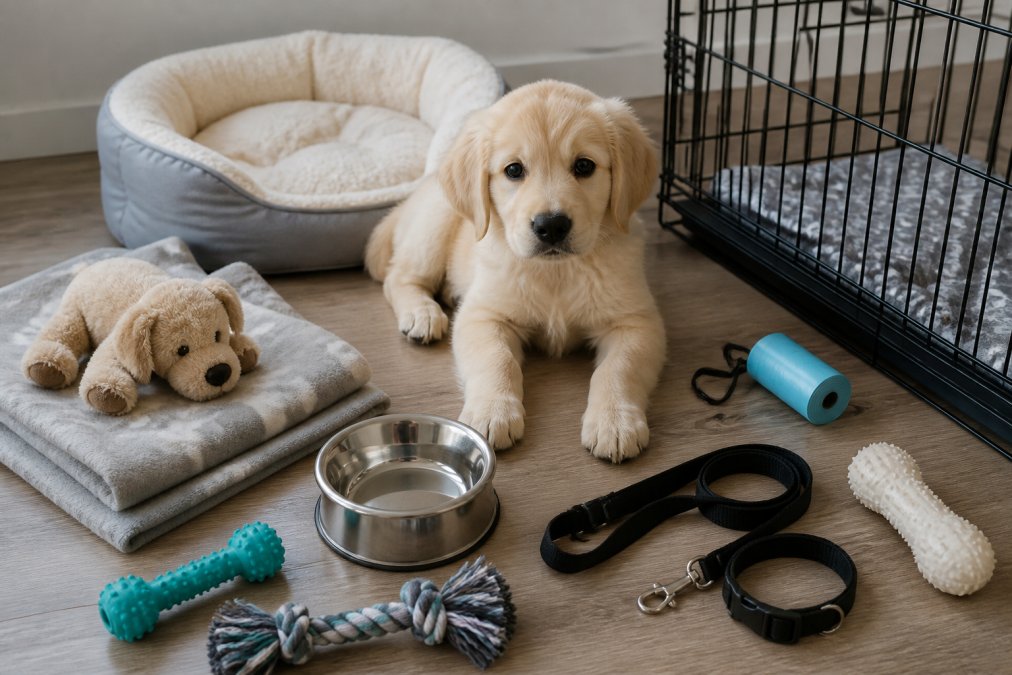
Table of Contents
- What Your 10-Week-Old Puppy Needs: Must-Haves vs. Nice-to-Haves
- Crate Training and Safe Sleep Space
- Feeding and Hydration Supplies for Growing Puppies
- Chew Toys and Enrichment for Teething Relief
- Essential Grooming Kit for New Puppies
- Puppy Proofing Checklist and Safety Gear
- Collar, Harness, and Leash for Safe Walks
- Conclusion
- Frequently Asked Questions
Last Updated: September 21, 2026
What Your 10-Week-Old Puppy Needs: Must-Haves vs. Nice-to-Haves
At 10 weeks old, your puppy is entering a critical developmental window. This is when the best puppy essentials for 10 week old dogs become non-negotiable for safety, comfort, and healthy growth. The difference between what your puppy genuinely needs and what marketing convinces you to buy can save hundreds of dollars while ensuring your dog thrives.
A 10-week-old puppy's brain is developing rapidly, their teeth are erupting, and their bladder control is still weeks away from maturity. This specific stage demands supplies that address these realities, not generic puppy gear that works for any age.
SnugglePawsPetSupplies has curated a selection of products specifically suited to this developmental phase, helping new owners distinguish between must-haves that directly support health and safety, and nice-to-haves that enhance comfort or enrichment. The essentials we cover below focus on what your 10-week-old actually needs right now.
Must-haves address immediate physical needs: safe sleep, proper nutrition, bladder management, and teething relief. Nice-to-haves include enrichment toys, grooming tools beyond basics, and comfort items that improve quality of life but aren't essential for survival.
| Category | Must-Have | Why | Nice-to-Have | Why |
|---|---|---|---|---|
| Sleep | Crate or playpen | Safety, potty training, security | Premium bedding | Comfort and aesthetics |
| Feeding | Food bowl, water bowl | Basic nutrition | Elevated stand | Neck protection (depends on breed) |
| Chewing | Teething toys | Pain relief, safety | Multiple toy types | Mental stimulation variety |
| Potty Training | Potty pads, enzyme cleaner | Accident management | Training treats | Positive reinforcement |
| Safety | Collar, leash, ID tag | Legal requirement, identification | Microchip | Permanent ID backup |
| Grooming | Brush, nail clippers, shampoo | Hygiene basics | Grooming table | Convenience |
Crate Training and Safe Sleep Space
A crate isn't punishment, it's a den. At 10 weeks, your puppy's crate becomes the foundation for potty training and a safe retreat when you can't supervise. The right crate fits your puppy snugly enough that they won't soil one end and sleep in the other, but has room to stand, turn, and lie down comfortably.
Size matters. A crate too large defeats the purpose of potty training; a crate too small causes stress and inhibits growth. For a 10-week-old, choose a crate sized for your puppy's expected adult weight, then use a divider panel to reduce the space temporarily. This prevents accidents while accommodating growth.
Crate training requires consistent effort. Your puppy will resist initially, whining is normal. The key is never letting the crate become a place of punishment. Feed meals inside, toss treats in randomly, and keep sessions short at first (15-30 minutes).
Placement is critical. Position the crate in a family area during the day so your puppy feels included, then move it to your bedroom at night. This reduces separation anxiety while keeping your puppy close enough to hear if they need a potty break. A crate in an isolated basement teaches your puppy that separation equals abandonment.
Pro Tip
Line the crate with washable bedding, not absorbent pads. Absorbent materials teach puppies it's okay to potty inside. Use a scent-based bedding item, something with the mother's or littermates' scent, to ease the transition from the breeder.
Feeding and Hydration Supplies for Growing Puppies
Your 10-week-old needs to eat three times daily. A single water bowl isn't enough, puppies need constant access to fresh water, and multiple bowls reduce the likelihood of dehydration.
The Pet Anti Choking Slow Feeding Bowl Feeder from SnugglePawsPetSupplies ($7.84) is designed to prevent gulping, which can cause bloating or aspiration. At 10 weeks, puppies often eat too fast out of instinct, not hunger. A slow feeder naturally paces intake and aids digestion.
For larger breeds or puppies showing rapid growth, an elevated feeding bowl reduces strain on the neck and spine during meals. The Pet Elevated Feeding Bowl Neck Protection Stand ($38.53) features stainless steel bowls and an anti-tumble design, protecting developing joints during the critical growth phase. This matters more for large breeds (Labs, German Shepherds) than small breeds, but it's a worthwhile investment if your puppy will exceed 40 pounds at maturity.
Stainless steel bowls are a durable option. They don't retain odors and resist bacterial growth. Ceramic bowls can harbor bacteria in tiny cracks; plastic bowls leach chemicals when chewed and absorb stains.
Change water twice daily, even if the bowl appears full. Puppies often play in water or contaminate it with food debris. Fresh water is essential for preventing dehydration, especially during teething when puppies drool excessively.
Watch Out
Never free-feed a 10-week-old puppy. Scheduled meals three times daily (morning, midday, evening) make potty training predictable and prevent overeating, which stresses developing joints and digestive systems.
Chew Toys and Enrichment for Teething Relief
At 10 weeks, teething is just beginning. Your puppy's deciduous teeth are loosening, and adult teeth are pushing through. This causes discomfort and an irresistible urge to chew on everything, your hands, furniture, electrical cords, shoes.
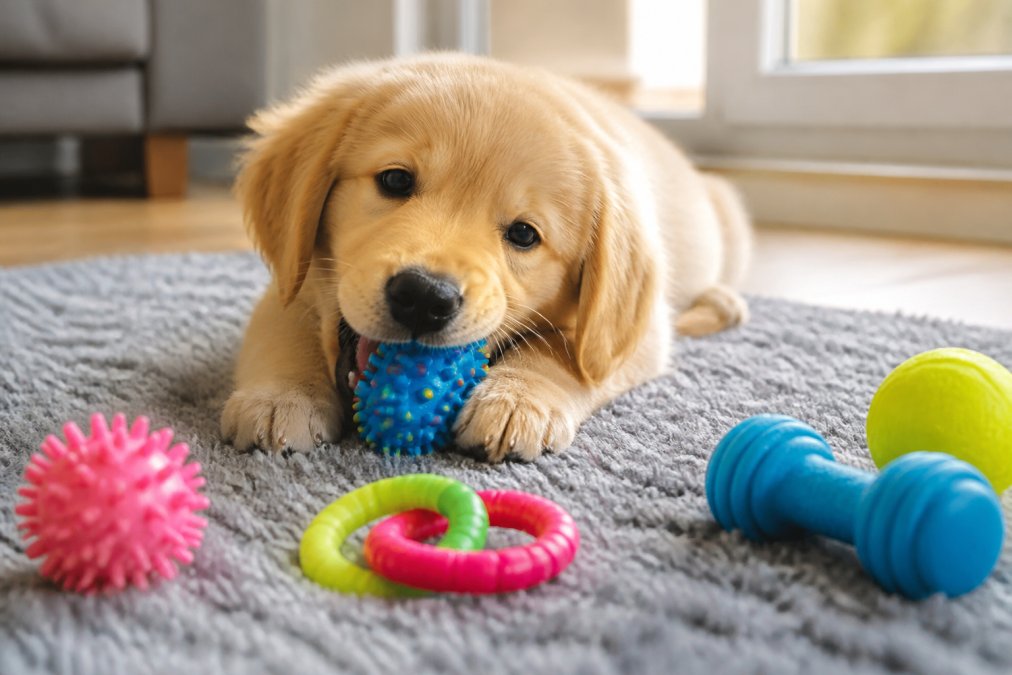
The right chew toys redirect this instinct safely. Rubber toys designed specifically for teething provide the right resistance, firm enough to satisfy the chewing urge, soft enough not to damage emerging teeth. The Squeaky Rubber Pet Teething Chew Toy ($14.82) uses natural rubber, strong bite resistance, and teeth-grinding texture. The toy's squeaker adds auditory stimulation.

For puppies prone to aggressive chewing, the Bite Resistant Rubber Pet Chew Toy ($31.49) offers multiple sizes (S for within 9kg, M for 7-16kg, L for 13-30kg). Choose the size matching your puppy's current weight, not expected adult weight.
Bite Resistant Rubber Pet Chew Toy →
Interactive toys that dispense treats provide mental stimulation alongside chewing satisfaction. The Rocket Shaped Pet Treat Dispensing Chew Toy ($15.10) uses silica gel construction and requires problem-solving to extract rewards. The Rotating Interactive Pet Slow Feeder Treat Dispensing Toy ($12.30) combines feeding and enrichment.
Rotate toys every few days to maintain novelty. Rotation also helps prevent boredom-related destructive chewing.
Avoid toys with small parts, squeakers that can be extracted, or materials that splinter. Check toys daily for damage. A toy that's beginning to tear or shed pieces should be removed immediately.
Essential Grooming Kit for New Puppies
Grooming at 10 weeks isn't about aesthetics, it's about health and acclimation. A puppy that learns to tolerate brushing, nail trimming, and bathing at this age is far easier to groom as an adult. Start with basics: a soft brush, nail clippers, and puppy-safe shampoo.
Brushing 2-3 times weekly removes loose fur, distributes natural oils, and lets you check for skin issues. A soft-bristle brush is ideal for a 10-week-old; metal slicker brushes can irritate developing skin. Brush gently, focusing on areas prone to matting: behind ears, armpits, and the rear end.
Nail trimming every 2-3 weeks prevents overgrowth that affects gait and joint development. A 10-week-old's nails are still soft, making trimming easier than with adult dogs. If you hear clicking sounds when your puppy walks on hard floors, nails are too long. Trim only the clear portion of the nail, never the pink quick inside.
Bathing once monthly is sufficient for a 10-week-old unless they're visibly dirty.
Key Takeaway
The grooming habit you establish now, regular brushing, nail care, and bathing, helps prevent issues later. A puppy that learns grooming is normal at 10 weeks becomes an adult dog that cooperates during essential health maintenance.
Puppy Proofing Checklist and Safety Gear
Your home isn't designed for a creature that investigates everything by putting it in their mouth. Puppy-proofing means removing hazards and creating safe exploration zones.
Collar, Harness, and Leash for Safe Walks
At 10 weeks, your puppy isn't ready for long walks, their joints and bones are still developing. Short, frequent outings (5-10 minutes) are ideal. But even brief walks require proper equipment.
Pro Tip
Avoid walking your puppy in areas where unvaccinated dogs frequent until your veterinarian confirms vaccination is complete. At 10 weeks, your puppy has received initial vaccines but isn't fully protected. Stick to your own yard or quiet neighborhoods until vaccination series is complete (typically 16 weeks).
Conclusion
The best puppy essentials for 10 week old dogs aren't the most expensive or the most popular, they're the ones that directly address your puppy's developmental needs at this specific stage. Crate training, proper feeding supplies, teething relief, and safe equipment can form the foundation for a healthy, well-adjusted adult dog.
Frequently Asked Questions
What supplies do I need for a 10-week-old puppy?
At 10 weeks, your puppy needs a crate for training, food and water bowls, age-appropriate chew toys, a collar and leash, bedding, grooming supplies, and puppy-proofing gates. Prioritize safety items like non-toxic toys and secure spaces. Nice-to-haves include enrichment toys for mental stimulation and elevated feeding bowls to reduce neck strain as your puppy grows.
How should I set up a puppy crate training schedule?
Start with short crate sessions during the day, gradually increasing duration as your puppy's bladder control improves. At 10 weeks, puppies typically need to go outside every 2-3 hours. Use positive reinforcement with treats and praise when your puppy enters the crate willingly. Avoid using the crate as punishment. Puppies typically need to go outside every 2-3 hours.
What are the most important grooming tools for a young puppy?
An essential grooming kit for new puppies includes a soft brush for gentle coat care, nail clippers sized for small paws, and a puppy-safe shampoo. Start grooming early to build positive associations. At 10 weeks, focus on gentle brushing to reduce shedding and prevent matting. Regular nail trims prevent discomfort during walks. Introduce grooming slowly with short sessions and treats to make it enjoyable.
What toys are safe for a 10-week-old puppy?
Choose toys made from non-toxic materials like natural rubber or bamboo fiber. Avoid small parts that could be choking hazards. Durable rubber chew toys designed for teething provide relief during this developmental stage. Treat-dispensing toys like rotating interactive feeders offer mental stimulation while slowing eating. Rotate toys weekly to maintain novelty and prevent boredom.
How do I puppy-proof my home effectively?
A puppy proofing checklist should include securing electrical cords, removing toxic plants, storing chemicals out of reach, and using safety gates to restrict access to unsafe areas. Remove small objects that could be swallowed. Secure trash cans and keep food off counters. Block access to stairs until your puppy is stronger. Check your yard for escape routes and remove any hazardous materials or plants.

