

Cart
0

Table of Contents
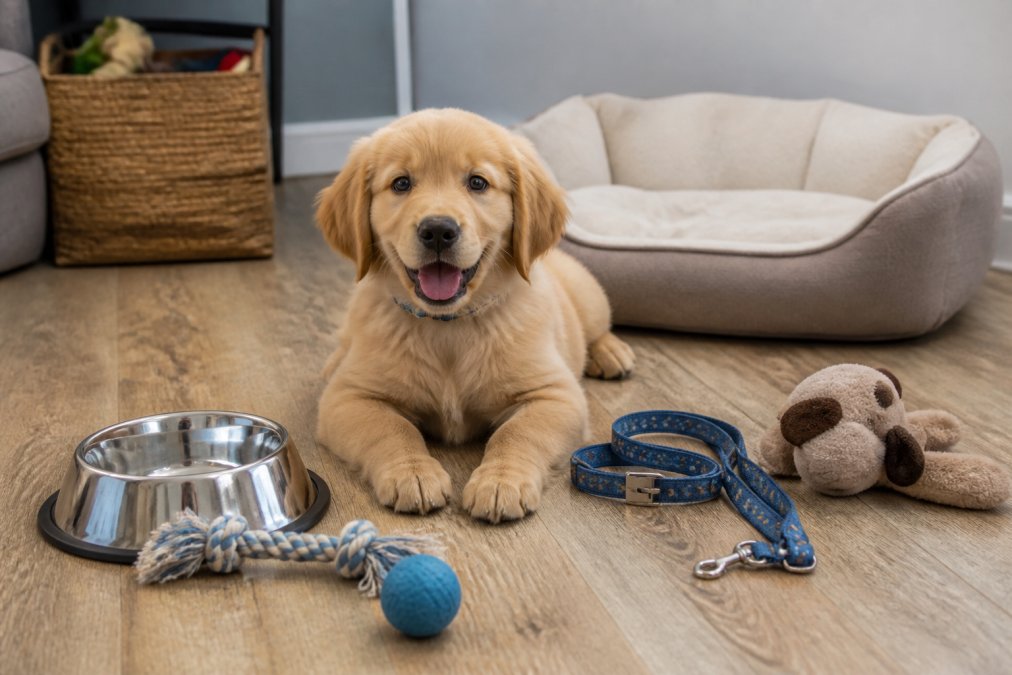
- Essential Puppy Supplies for First Time Owners: What You Actually Need
- Feeding and Hydration Essentials
- Crate Training and Sleeping Areas
- Leashes, Collars, Harnesses, and ID Tags
- Puppy Grooming Kit Essentials
- Chew Toys, Enrichment, and Teething Relief
- Puppy Proofing Your Home and Safety Gear
- New Puppy Checklist: Your First 30 Days
- Frequently Asked Questions
Last Updated: September 14, 2026
Essential Puppy Supplies for First Time Owners: What You Actually Need
Bringing a puppy home is exciting and overwhelming. New owners face endless product options, unsure what's necessary and what's marketing fluff. You don't need everything on the internet, but you do need the right essentials.
This guide from SnugglePawsPetSupplies breaks down the essential puppy supplies for first time owners into categories that matter, from feeding equipment to safety gear. Whether you're bringing home a tiny Chihuahua or a large breed pup, these core supplies form the foundation of responsible pet ownership.
Below, we'll walk through each category of essential puppy supplies for first time owners with specific recommendations on what to prioritize, based on what experienced pet owners consistently recommend.
Feeding and Hydration Essentials
Your puppy needs consistent access to food and fresh water from day one. Start with stainless steel bowls: durable, easy to clean, and odor- and bacteria-resistant. Ceramic works too, but avoid plastic, which harbors bacteria and may contain harmful chemicals.
Feed age-appropriate food: puppies need higher protein and fat than adult dogs for growth. Most veterinarians recommend three to four meals daily until six months, then twice daily (avma.org).
Consider a water fountain if your puppy doesn't drink enough from a static bowl; moving water encourages hydration. Keep bowls accessible but away from their sleeping area, since puppies avoid soiling where they rest, which helps with potty training.
Pro Tip
Feed your puppy at consistent times each day. This creates predictable bathroom schedules and makes potty training significantly easier. Most puppies need to go out 15-30 minutes after eating.
Crate Training and Sleeping Areas
A properly sized crate becomes your puppy's safe space and an invaluable training tool. It should be large enough to stand, turn around, and lie down comfortably, but not so large they can potty in one corner and sleep in another. Many crates include dividers you can adjust as they grow.
A quality puppy bed makes the crate more inviting. Look for washable, durable bedding that withstands accidents and frequent cleaning; orthopedic beds add comfort for larger breeds prone to joint issues.
Crate training teaches bladder control and provides a secure den-like space when you can't supervise. Never use the crate as punishment; start with short periods and gradually extend crate time.
Key Takeaway
The crate is not cruel confinement; it's a tool that prevents destructive behavior, protects your home, and gives your puppy a secure space. Properly introduced, most puppies love their crates.
Leashes, Collars, Harnesses, and ID Tags
A properly fitted collar or harness is essential for walks, training, and safety, but the right choice depends on your puppy's breed size and growth trajectory, a harness for a Chihuahua creates entirely different problems for a German Shepherd puppy.
For Small and Toy Breeds (under 15 lbs adult weight): Adjustable nylon collars work well, lightweight and won't strain developing necks. Ensure two fingers fit under the collar. Choose a back-clip harness that distributes pressure evenly without restricting movement. Avoid retractable leashes for toy breeds; they encourage pulling and offer minimal control. A standard 4-foot fixed leash gives better command during the critical training window.
For Large and Giant Breeds (over 50 lbs adult weight): Start with a properly sized harness from day one, not a collar. Large breed puppies grow rapidly and develop pulling strength within weeks. A front-clip harness redirects forward motion when they pull, discouraging the behavior without neck strain. Many owners transition to a no-pull harness (head halter) around 4-5 months; these require gradual introduction but provide superior control for dogs that will weigh 80+ pounds. Avoid chain or choke collars entirely, they can cause tracheal damage.
For Medium Breeds (15-50 lbs adult weight): An adjustable collar works for the first 8-12 weeks, then transition to a harness by 3-4 months as pulling strength increases. A back-clip harness is fine unless your puppy pulls hard, in which case a front-clip design offers better training leverage.
ID Tags and Microchipping: An ID tag with your current phone number is non-negotiable, puppies escape more often than you'd expect. Choose stainless steel or anodized aluminum tags; they resist corrosion and stay legible longer. Microchipping provides permanent identification independent of collars, and shelters and vet clinics can scan for chips. Register your microchip with the manufacturer's database immediately; an unregistered chip is useless.
Leash Selection by Lifestyle: A 4-6 foot standard leash works for most training. Retractable leashes offer less control during the crucial loose-leash learning months. For hiking or off-leash training, invest in a 15-30 foot biothane or nylon training line, more durable than rope and easier to handle than cotton. In urban environments, a shorter 4-foot leash provides better control in crowds.
Puppy Grooming Kit Essentials
A basic grooming kit prevents matting, manages shedding, and establishes habits early. Grooming needs and costs vary dramatically by breed, so knowing where to invest versus save matters for budget-conscious first-time owners.
Coat-Specific Brush Selection: For long-haired breeds (Golden Retrievers, Collies, Aussie Shepherds), invest in a quality slicker brush and undercoat rake, these breeds shed heavily and mat easily, so a cheap brush frustrates you and hurts your puppy. A mid-range slicker ($15-25) lasts years. For short-haired breeds (Labs, Beagles, Boxers), a rubber curry brush ($8-12) is sufficient and gentler. For wire-haired or curly coats (Poodles, Doodles, Terriers), you'll eventually need a professional groomer, but start with a slicker brush and metal comb. Begin with five-minute sessions and gradually increase duration.
Nail Care, Where Consistency Matters More Than Equipment: Overgrown nails affect posture and can cause joint problems (vcahospitals.com). Trim every 3-4 weeks or when you hear clicking on hard floors.
Watch Out
Never use human shampoo on puppies, it disrupts their skin's pH balance and can cause irritation. Always use formulations designed specifically for dogs.
Chew Toys, Enrichment, and Teething Relief
Puppy Proofing Your Home and Safety Gear
New Puppy Checklist: Your First 30 Days
| Supply Category | Priority | Why It Matters |
|---|---|---|
| Food and water bowls | Critical | Puppies need consistent feeding schedules |
| Age-appropriate puppy food | Critical | Wrong nutrition stunts growth and causes health issues |
| Collar, leash, ID tag | Critical | Safety and legal requirement in most areas |
| Crate and bedding | Critical | Enables house training and provides security |
| Grooming basics | High | Prevents matting and establishes healthy habits |
| Chew toys | High | Redirects natural chewing instincts |
| Puppy-proofing supplies | High | Prevents accidents and injuries |
| Microchip | High | Permanent identification if collar is lost |
| First vet visit supplies | Critical | Vaccination records and health baseline |
Best For
First-time owners with puppies under 16 weeks old who want to establish good habits from day one without overthinking product selection.
Frequently Asked Questions
What are the most essential puppy supplies I need before bringing my puppy home?
Start with the basics: food and water bowls (stainless steel is best), puppy food, a crate for training and safety, a bed or blanket, a collar and leash, ID tag with your contact information, toys for enrichment, grooming supplies like a brush and nail clippers, potty pads, and waste bags. Many first-time owners buy too much at once. Focus on these core items first, then add enrichment toys and specialty gear as your puppy settles in during the first 30 days.
How do I choose the right crate size for my puppy?
Select a crate where your puppy can stand, turn around, and lie down comfortably, but not so large they can potty in one corner and sleep in another. For growing puppies, consider a crate with a divider panel that you can adjust as they grow, or plan to upgrade sizes. This prevents puppies from using extra space as a bathroom and supports crate training success during housebreaking.
What should be included in a puppy grooming kit essentials for a new owner?
A basic puppy grooming kit essentials should include a soft-bristle brush for regular grooming, nail clippers or a grinder for nail maintenance, puppy-specific shampoo (never use human shampoo), a toothbrush and dog toothpaste for dental care, and ear cleaning solution. Start grooming early to help your puppy get comfortable with handling. Most puppies don't need full baths frequently, but regular brushing prevents matting and reduces shedding, especially important for breed-specific coat types.
How do I puppy proof my home before bringing my new puppy home?
To start puppy proofing your home, remove toxic plants, secure electrical cords, store chemicals and medications out of reach, and use baby gates to restrict access to certain areas. Remove small objects that could be choking hazards, and anchor heavy furniture that could tip. Protect furniture with washable covers and use enzymatic odor neutralizers in areas where accidents might happen. This setup supports positive reinforcement training by preventing destructive behavior before it starts.
What's the difference between a harness and a collar for puppies?
Harnesses distribute pressure across the chest and back, making them safer for puppies' developing necks and better for dogs prone to pulling. Collars sit around the neck and work well for puppies that walk calmly on leash. Many trainers recommend harnesses for young puppies and those with respiratory sensitivities. Choose based on your puppy's size, breed, and behavior during walks, but always use an ID tag regardless of which option you select.
Are eco-friendly puppy supplies worth the extra cost?
Eco-friendly options like biodegradable waste bags, sustainably sourced toys, and organic puppy shampoo appeal to environmentally conscious owners. They often use safer materials free from harsh chemicals. Focus on eco-friendly choices for items your puppy contacts frequently, like bedding and toys, while standard options work fine for other supplies.
How often should I replace puppy supplies like beds and toys?
Inspect beds and toys monthly for wear, especially as your puppy grows and their chewing intensity increases. Replace bedding when it becomes flat, torn, or develops odors that washing doesn't remove. Rotate toys every few weeks to maintain interest and check for damage like loose stuffing or frayed seams. Keep vaccination records and microchip information updated as you replace items, since these are critical for your puppy's safety and identification.

