

Cart
0

Table of Contents
- Premium vs Budget Pet Supplies: Key Differences at a Glance
- Nutrient Density, Digestibility, and Ingredient Sourcing
- How to Evaluate Pet Product Safety Standards
- Manufacturing Processes, Quality Control, and Regulatory Compliance
- Long-Term Cost Benefits of Premium Pet Gear
- Best Durable Pet Essentials for 2026
- Common Myths About Expensive Pet Supplies
- Making Your Choice: Premium or Budget
- Frequently Asked Questions
Last Updated: September 23, 2026
Premium vs Budget Pet Supplies: Key Differences at a Glance
Premium pet supplies prioritize nutrient density, ingredient sourcing, and rigorous quality control, while budget alternatives cut corners on manufacturing standards and material durability. Understanding these distinctions in premium vs budget pet supply quality helps pet owners make informed decisions aligned with their pets' health needs and budget.
The question isn't always whether to spend more, it's whether the extra investment delivers measurable benefits. According to American Veterinary Medical Association guidance on pet nutrition, pet owners should evaluate products based on ingredient quality, digestibility, and long-term health outcomes rather than marketing claims alone.
| Factor | Budget Pet Supplies | Premium Pet Supplies |
|---|---|---|
| Material Durability | 3-6 months typical lifespan | 12-24+ months typical lifespan |
| Ingredient Quality | Fillers, by-products common | Named protein sources, minimal fillers |
| Safety Testing | Basic compliance | Rigorous third-party testing |
| Digestibility | 70-75% average | 85-92% average |
| Cost Per Use | Lower upfront, higher replacement | Higher upfront, lower long-term cost |
Premium supplies often cost less per use over time because they outlast budget alternatives by years, not months.
Nutrient Density, Digestibility, and Ingredient Sourcing
Premium pet food focuses on bioavailability, how efficiently your pet's body absorbs nutrients. Budget options rely on fillers like corn meal and soy that provide calories but limited nutrition. Premium formulations list specific protein sources (chicken, beef, fish) while budget versions use generic "meat by-products" or "animal meal."
A premium diet with 88% digestibility means your pet absorbs more nutrition from smaller portions, reducing waste. Budget foods averaging 72% digestibility require larger servings, often resulting in more frequent bowel movements.
Premium formulations provide complete amino acid profiles tailored to life stage (puppy, adult, senior), supporting muscle development and immune function. Budget options often lack essential amino acids, particularly taurine in cats and amino acids for large-breed puppies.
Pro Tip
Check ingredient lists for named protein sources in the first three ingredients. If you see "meat by-products," "animal meal," or "poultry by-products" listed first, the product is budget-tier regardless of the price point. Premium products lead with specific sources: "chicken," "salmon," or "beef."
How to Evaluate Pet Product Safety Standards
Safety standards separate premium from budget pet supplies more reliably than marketing language. Premium manufacturers conduct third-party safety testing and verify nutritional claims; budget producers often meet minimum legal requirements only.
The FDA's regulations on pet food manufacturing establish baseline safety standards, but they don't distinguish quality tiers. Premium brands voluntarily pursue additional certifications and testing protocols. Look for products tested for heavy metals, mycotoxins (mold-related toxins), and bacterial contamination. Budget alternatives rarely advertise this level of testing because they don't conduct it.
Premium pet supplies are made in facilities with higher standards, regular inspections, and traceability systems. Budget manufacturers may use facilities with minimal oversight, creating higher contamination risks.
Ask manufacturers: "What third-party testing do you conduct?" Premium brands typically have documentation ready; budget producers often cannot provide it.
Manufacturing Processes, Quality Control, and Regulatory Compliance
Premium pet supplies test each batch before release. Budget manufacturers use spot-checking, testing only 5-10% of batches. A premium kibble manufacturer tests 100% of batches for moisture, nutrients, and bacteria; a budget producer catches problems only after they reach consumers.
Premium facilities control temperature and humidity to preserve nutrients and prevent mold growth. Budget facilities prioritize speed over precision, resulting in nutrient degradation. Premium kibble is cooled to specific temperatures after extrusion; budget kibble may be packaged warm, causing nutrient loss and mold risk.
The FDA requires facility registration and good manufacturing practices, but enforcement is limited. Premium brands exceed baseline requirements with monthly or quarterly internal audits, detailed traceability records, and third-party testing. Budget producers meet minimum requirements only.
Premium manufacturers can trace specific ingredients to exact production batches, allowing targeted quarantines if contamination emerges. Budget manufacturers often lack this granularity, forcing recalls of entire product lines.
Premium brands test finished products for bacterial contamination, heavy metals, mycotoxins, nutrient verification, and digestibility trials. Budget manufacturers conduct only minimum required testing, often on paper rather than actual finished product.
Watch Out
If a pet product has been subject to recalls, research the reason and frequency. A single recall for a specific contaminant may be an isolated incident; multiple recalls or recalls involving contamination (bacterial, chemical, or foreign objects) indicate systemic manufacturing problems. Check the FDA's pet food recall database before purchasing from any unfamiliar brand. Products with recalls involving Salmonella or E. coli suggest inadequate sanitation protocols or insufficient testing.
Premium manufacturing standards reduce the risk of foodborne illness, nutritional inconsistency, and accumulated contaminants. Budget products carry higher risk, though individual pets may never experience problems.
Long-Term Cost Benefits of Premium Pet Gear
Premium chew toys withstand aggressive chewers for months; budget toys shred within weeks. Premium products reduce total spending over a pet's lifetime.
Best Durable Pet Essentials for 2026
The Squeaky Rubber Pet Teething Chew Toy from SnugglePawsPetSupplies ($14.82) uses natural rubber with strong bite resistance.

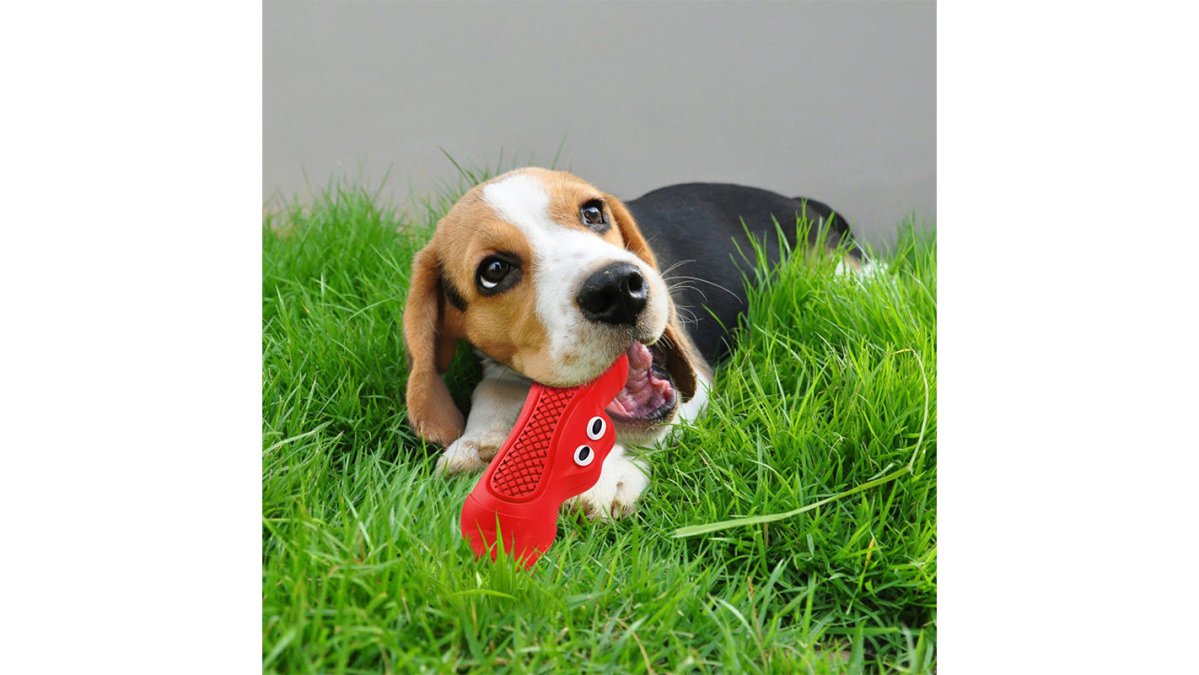
The Durable Cactus Pet Interactive Chew Toy ($13.61) combines bamboo fiber and rubber, suitable for puppies through large dogs.
The Pet Anti Choking Slow Feeding Bowl Feeder ($7.84) uses durable plastic construction. The Pet Stainless Steel Slow Feeding Bowl Protector ($18.62) offers stainless steel construction.
The pattern across premium essentials demonstrates premium vs budget pet supply quality: materials chosen for longevity, designs engineered for daily use, and construction that withstands the demands of active pets.
Common Myths About Expensive Pet Supplies
A pervasive myth claims expensive pet supplies are purely marketing, that budget and premium options are functionally identical. This overlooks measurable differences in durability, ingredient quality, and safety testing. However, a related truth complicates the picture: not all expensive products are premium, and not all premium products are the most expensive. This is where the mid-tier category, products priced between budget and luxury, becomes critical.
Mid-tier pet supplies (typically 40-60% more expensive than budget, but 30-50% less than premium luxury brands) often deliver 80-90% of premium benefits at a fraction of the cost. A mid-tier kibble using named protein sources and moderate third-party testing may cost $2.50 per pound versus $4.00 for a premium brand, while still offering 82-85% digestibility compared to 72% for budget options. For many pet owners, mid-tier represents the optimal value proposition, better than budget, more affordable than premium.
Another myth suggests that price alone indicates quality; some expensive brands rely on marketing rather than actual superiority. The real distinction lies in verifiable factors: ingredient sourcing, manufacturing standards, third-party testing, and long-term performance data. A premium brand charging $60 for a 30-pound bag of kibble should be able to document why (e.g., specific protein sources, digestibility testing, safety certifications). If they cannot, the price is marketing, not quality.
Many pet owners believe their pet won't notice the difference between budget and premium options. While individual pets vary, most show clear, observable changes within 4-8 weeks of switching to higher-quality food:
- Coat condition: Shinier, less shedding, fewer dry patches
- Energy levels: More consistent activity, less lethargy
- Stool quality: Firmer, less frequent, smaller volume (indicating better nutrient absorption)
- Breath and dental health: Fresher breath, less plaque buildup
- Skin health: Fewer scratching episodes, reduced odor
These aren't subjective impressions, they're observable changes driven by improved nutrient bioavailability and reduced inflammatory ingredients. Pets on budget diets with high corn and soy content often experience chronic low-level inflammation, manifesting as itching, dull coats, and digestive inconsistency. Premium diets with named proteins and balanced omega-3 to omega-6 ratios reduce inflammation, and pet owners notice the difference.
The myth that "premium means organic" creates confusion. Organic certification doesn't guarantee superior nutrition or safety compared to non-organic premium products. Some premium supplies aren't organic; some organic products are budget-tier.
Key Takeaway
The most important myth to discard: "Premium supplies are a luxury I can't afford." For most pet owners, premium supplies, or strategically chosen mid-tier options, cost less over a pet's lifetime when accounting for fewer replacements and better health outcomes. The real question isn't whether you can afford premium supplies; it's whether you can afford the long-term health costs of budget alternatives.
Making Your Choice: Premium or Budget
The decision between premium and budget pet supplies depends on three factors: your pet's health status, your financial situation, and your long-term commitment to that pet's well-being.
Frequently Asked Questions
What makes premium pet supplies worth the extra cost compared to budget alternatives?
Premium pet supplies typically feature higher-quality materials, stricter manufacturing standards, and better ingredient sourcing. Premium chew toys use durable rubber or bamboo fiber designed to withstand heavy chewing, while budget versions may degrade quickly. The difference in digestibility and bioavailability of ingredients means your pet absorbs more nutrition from premium food and treats, reducing waste and supporting long-term health outcomes.
How can I identify durable pet essentials that offer value for money?
Look for products with clear material specifications, weight capacity ratings matched to your pet's size, and evidence of rigorous testing. Check product listings for details about bite resistance, material composition (like bamboo fiber or stainless steel), and intended weight ranges. Read customer reviews mentioning longevity and durability over months of use. Compare cost-per-serving for food and cost-per-year for toys and gear. A $31.49 puzzle bone toy that lasts two years costs less annually than a $7 toy replaced every two months.
Do premium pet supplies actually last longer than budget alternatives?
Yes, in most categories. Premium toys made from reinforced rubber or bamboo fiber resist tearing and degradation from heavy chewing, while budget plastic toys often crack or splinter within weeks. Premium stainless steel feeding bowls resist scratches and bacterial buildup indefinitely, whereas plastic bowls degrade and harbor bacteria within months.
Are budget-friendly pet products safe for daily use?
Budget products vary widely in safety. Many meet basic regulatory compliance, but lack rigorous testing and quality control standards. Budget toys may contain materials that splinter or contain synthetic additives and preservatives at higher concentrations. Budget feeding bowls can leach chemicals into food or develop sharp edges. If a product has no safety documentation or vague material descriptions, it's worth upgrading to a premium option with transparent manufacturing standards and verified food safety protocols.
Making the switch to premium pet supplies transforms how your pet experiences daily life. SnugglePawsPetSupplies offers fast shipping, a quality promise on all premium products, easy returns, and secure transactions, removing the risk from upgrading your pet's essentials. Check out our collection of durable pet gear and experience the difference quality makes.

