

Cart
0
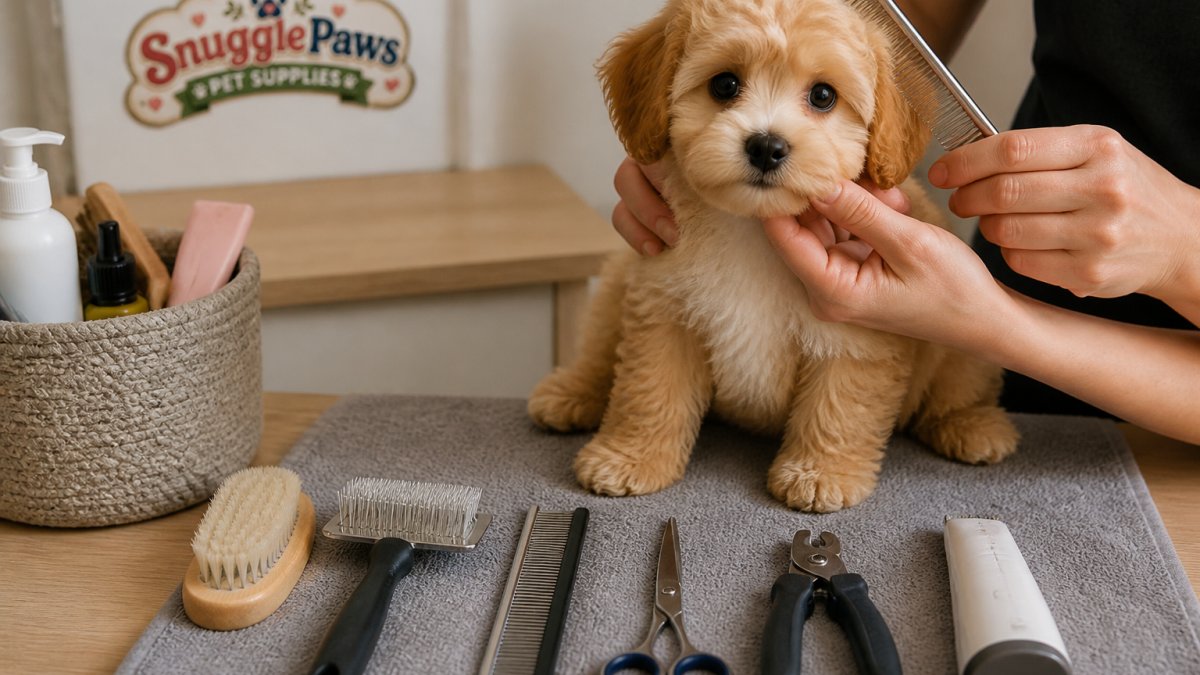
Table of Contents
- Why Safe Grooming Tools Matter for Small Puppies
- Understanding the Best Brush for Puppies by Coat Type
- Puppy Nail Clippers: Choosing the Right Type
- How to Trim Puppy Nails Safely: A Step-by-Step Process
- Building a Puppy Grooming Kit for Beginners
- Introducing Your Puppy to Grooming Tools Gradually
- Cleaning and Storing Grooming Tools Safely
- Common Grooming Mistakes to Avoid with Small Puppies
- Frequently Asked Questions
Last Updated: October 17, 2026
Why Safe Grooming Tools Matter for Small Puppies
Safe grooming tools for small puppies prevent injury, reduce stress, and build positive associations with handling that last a lifetime.
At SnugglePawsPetSupplies, we know new puppy owners feel overwhelmed by grooming options. The wrong tools cause cuts, matting, skin irritation, or a puppy that refuses to cooperate; the right ones make grooming faster, safer, and more confident for both of you.
This guide covers selecting safe grooming tools for small puppies, age-appropriate products, and practical steps for introducing grooming safely, plus how to build a beginner kit that grows with your puppy.
Understanding the Best Brush for Puppies by Coat Type
The best brush for puppies depends entirely on coat type: a long-hair tool mats short coats, and an undercoat brush won't work on silky single-coat breeds. Matching brush to coat prevents pulling, irritation, and painful matting.
Puppies also have softer, more sensitive skin than adult dogs, and their coat lacks a mature dog's protective oils. Harsh bristles or tight spacing cause discomfort and discourage tolerance of grooming.
Soft-Bristle Brushes for Sensitive Skin
Soft-bristle brushes suit puppies with short coats or sensitive skin. Flexible bristles glide through the coat without pulling or scratching while removing loose hair and distributing natural oils.
They work well for Chihuahuas, French Bulldogs, Boston Terriers, and other short, smooth-coated small breeds, and make a good first brush for any puppy regardless of adult coat type.
Choose one with bristles that bend easily under light pressure and a handle small enough for control during sessions that may last only a few minutes.
Slicker Brushes for Longer Coats
Slicker brushes have short, fine wires packed closely on a flat or curved surface. They remove mats and tangles from longer coats and are essential for Maltese, Shih Tzu, Pomeranian, and Cavalier King Charles Spaniel puppies, reaching the undercoat without creating new tangles.
Use gentle pressure and short sessions. Never drag the brush forcefully through the coat; use light strokes in the direction of hair growth, and work out mats gently rather than pulling through them repeatedly.
For puppies under 16 weeks with longer coats, start with a softer brush and introduce the slicker gradually as the puppy accepts handling.
Puppy Nail Clippers: Choosing the Right Type
Puppy nails grow quickly and need trimming every 3-4 weeks. Overgrown nails cause discomfort, affect gait, and can curl into the paw pad, so the right clipper type makes trimming safer and faster.
There are two main categories of puppy nail clippers: manual clippers and electric grinders. Each has distinct advantages for small puppies.
Electric vs. Manual Clippers for Small Puppies
Manual clippers come in scissor-style, which works like pruning shears and gives precise control over the cut, and guillotine-style, where the nail slides into a hole and a blade cuts across.
Electric grinders sand the nail gradually, eliminating the risk of cutting the quick, and many puppies find the vibration less startling than a clipper's sudden pressure.
For most small puppies, a manual scissor-style clipper designed for small dogs is the best starting point, with smaller, more precise blades that fit puppy nails without excessive pressure. SnugglePawsPetSupplies offers the Pet Nail Trimmer Grooming Tool at $17.46.

If your puppy is anxious about clippers or you worry about cutting the quick, try an electric grinder.
| Clipper Type | Best For | Key Feature | Price Range |
|---|---|---|---|
| Manual Scissor-Style | First-time owners, precise control | Quick, decisive cuts | $15-20 |
| Electric Grinder | Anxious puppies, safety-focused owners | Gradual grinding, LED lighting | $25-35 |
| 2-In-1 Tools | Multi-purpose grooming | Combines clipping and hair trimming | $16-17 |
How to Trim Puppy Nails Safely: A Step-by-Step Process
Trimming puppy nails safely requires preparation, proper technique, and knowing when to stop. Rushing risks cutting the quick, which causes bleeding and teaches the puppy to fear nail trimming.
Gather your clipper, quick-stop powder (a styptic agent that stops bleeding), treats, and good lighting before bringing your puppy to the grooming area. A second person to hold the puppy gently can help.
Choose a calm, relaxed time and never trim when the puppy is excited or anxious. If your puppy is under 8 weeks, wait until it can sit still, or ask a veterinarian to trim the first few sets while you observe.
Identifying the Quick and Preventing Bleeding
The quick is the blood vessel and nerve running through each nail.
On dark nails, look at the underside: the quick appears as a small dark circle surrounded by lighter material. Trim only the light-colored portion, staying away from the dark center.
Trim conservatively: remove only the sharp tip, about 2-3 millimeters at a time. Better to trim less than you think necessary than to cut the quick; you can always trim more next session.
If you cut the quick, don't panic. Apply quick-stop powder directly to the nail and hold gentle pressure for 30 seconds; bleeding stops within a minute or two.
Using Quick-Stop Powder as a Safety Measure
Quick-stop powder is a styptic agent that stops bleeding by clotting the blood (pubmed.ncbi.nlm.nih.gov). It's essential in any puppy grooming kit, even if you never need it, so you can respond immediately to an accident.
Wet the tip of the container slightly and press it firmly onto the bleeding nail for 30 seconds. The powder sticks and stops the bleeding; some puppies find it uncomfortable, but it's far less distressing than continued bleeding.
Keep quick-stop powder nearby during every nail-trimming session; knowing it's available makes the process less stressful for both owner and puppy.
Building a Puppy Grooming Kit for Beginners
A complete puppy grooming kit doesn't require expensive professional equipment. Start with essentials and add tools as your puppy grows, avoiding overinvestment in tools it may outgrow or that won't suit its adult coat.
Essential Supplies Every New Puppy Owner Needs
Every beginner puppy grooming kit should include:
- A soft-bristle brush or age-appropriate brush for your puppy's coat type
- A comb for detangling and checking for parasites
- Nail clippers or grinder designed for small dogs
- Quick-stop powder for emergencies
- Treats for positive reinforcement
These basics let you handle routine grooming at home without feeling overwhelmed. As your puppy grows and your confidence builds, add specialized tools.
USB Rechargeable Pet Nail Grinder And Hair Trimmer →
Pro Tip
Begin grooming sessions with your puppy at 8-12 weeks old, even if you're just brushing for a minute or two. Early, positive grooming experiences make professional grooming easier later and help puppies accept handling throughout their lives.
Recommended Grooming Tools from SnugglePawsPetSupplies
SnugglePawsPetSupplies offers safe grooming tools designed for puppies and small dogs. The Easy Clean Nylon Pet Paw Grooming Brush ($8.30) is an excellent starting point for short coats or sensitive skin, building positive associations with brushing.
For longer coats or matting-prone puppies, the Alloy Steel Pet Grooming And Detangling Comb ($17.00) detangles effectively without professional-grade harshness. The Rechargeable 2-In-1 Pet Nail Trimmer Comb ($16.76) combines nail care and grooming.

The Silicone Pet Massage Grooming Hair Removal Brush ($26.49) is a gentler alternative with soft-tooth massage. For eye care, the Soft Pet Eye Grooming Tear Stain Remover Brush ($9.56) is available.
Introducing Your Puppy to Grooming Tools Gradually
How you introduce grooming tools determines whether your puppy cooperates throughout life or resists. Gradual desensitization beats forcing tolerance before the puppy is ready, and the patience pays off in every future session.
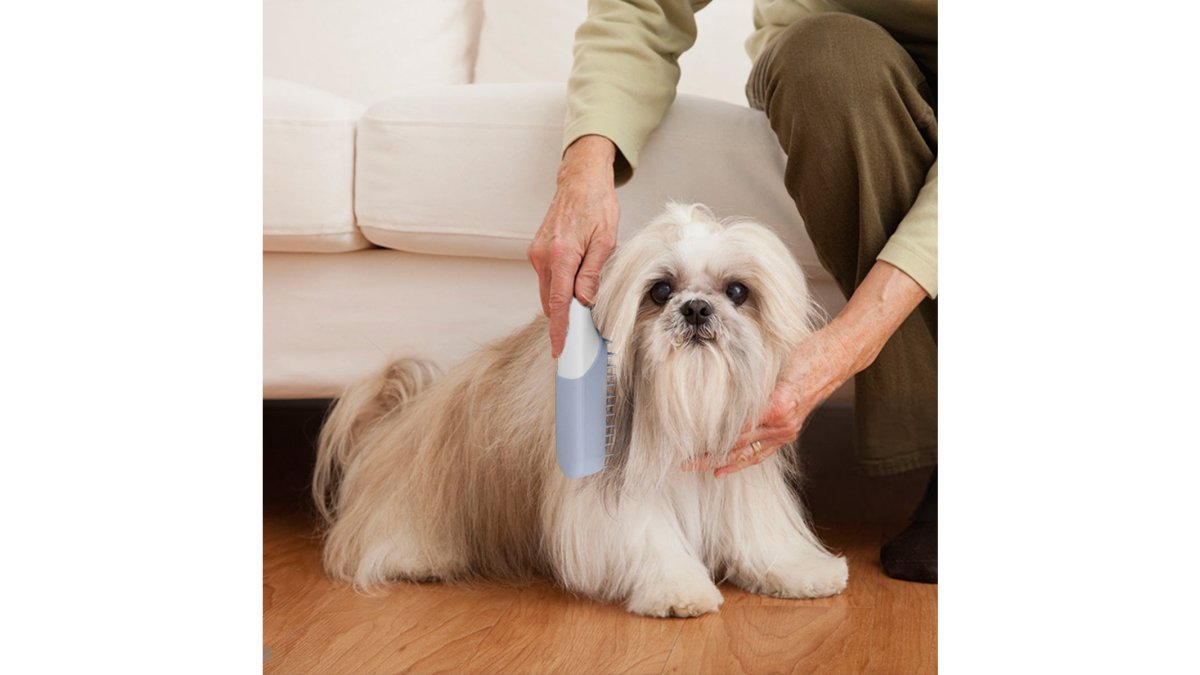
Desensitization Techniques for Anxious Puppies
Let your puppy see and smell the tools without using them. Leave a brush or clipper in the play area so it becomes a normal object, not a threat; passive exposure reduces fear.

Then touch your puppy gently with the tool while offering treats and praise, letting it lick, sniff, and investigate at its own pace.
Once the puppy is comfortable, use the tool for a few seconds on a non-sensitive area like the back or side, then reward heavily.
Increase session length as confidence grows. Some puppies need only days, others weeks; there's no rush.
First Grooming Sessions: What to Expect
Expect the first real grooming session to be brief and imperfect: squirming, playing with the brush, or losing interest is normal. The goal isn't a perfect job but building the habit and positive association.
Schedule sessions when your puppy is calm, perhaps after play when slightly tired, in a quiet area without distractions. Keep treats nearby and praise frequently, even for standing still five seconds.
If your puppy becomes frightened or overstimulated, stop immediately. Forcing a scared puppy teaches it to fear grooming; better to stop early and try again tomorrow than create a negative memory.
Watch Out
Never punish a puppy for resisting grooming. This creates fear associations that intensify resistance. Instead, slow down, use more treats, and keep sessions shorter. A frightened puppy will never cooperate willingly with grooming.
Cleaning and Storing Grooming Tools Safely
Proper maintenance extends tool lifespan and prevents spreading skin bacteria or parasites between sessions. Clean tools also work better and are safer for your puppy.
Disinfecting Brushes and Clippers Between Uses
After each session, remove hair from brushes and combs, rinse under warm water, and wash with mild soap. For electric clippers, brush hair from the blade area and wipe with a damp cloth; never submerge electric tools unless the manufacturer says they're waterproof.
Weekly, soak brushes and combs in one part white vinegar to three parts water for 15 minutes to kill bacteria and fungal spores, then rinse thoroughly and air dry before storing.
For manual clippers, wipe the blades after each use and apply a little clipper oil to keep them sharp and smooth. Store in a dry location away from humidity, which causes rust.
Proper Storage to Prevent Damage and Contamination
Store tools in a clean, dry container or drawer separate from household items; moisture and dust encourage bacteria and rust. A small plastic toolbox or dedicated grooming bag works well.
Label tools clearly so family members don't use puppy tools on human hair or vice versa, and coil electric tools' charging cables neatly to prevent cord damage.
Keep quick-stop powder and other supplies in the same location so everything is accessible, and check expiration dates periodically since effectiveness diminishes over time.
Common Grooming Mistakes to Avoid with Small Puppies
New puppy owners often make grooming mistakes that create problems lasting years. Knowing these pitfalls helps you avoid them from the start.
Rushing nail trimming is the most common mistake.
Skipping desensitization and jumping straight to grooming is another frequent error.
Using adult-sized tools on small puppies is a safety mistake: they're too large and powerful for delicate puppy skin and nails.
Grooming a frightened or overstimulated puppy creates lasting negative associations.
Neglecting to clean tools between sessions allows bacteria and fungal growth that can cause skin infections.
Safe grooming tools for small puppies are an investment in your puppy's health, comfort, and willingness to cooperate with care throughout life.
Frequently Asked Questions
What brush should I use on my puppy?
The best brush for puppies depends on coat type. Soft-bristle brushes work well for puppies with sensitive skin and short coats, while slicker brushes suit longer coats better. For beginners, the Easy Clean Nylon Pet Paw Grooming Brush ($8.30) offers a gentle introduction. Always choose tools specifically labeled safe for puppies to avoid skin irritation.
How do you introduce a puppy to grooming tools?
Start by letting your puppy sniff and inspect the tools without using them. Reward calm behavior with treats and praise. During the first few sessions, hold the brush near your puppy without brushing. Gradually increase contact time over several days. Keep initial grooming sessions short (2-3 minutes) and always end on a positive note. This desensitization process helps prevent anxiety about grooming.
Are human nail clippers safe for puppies?
No. Human nail clippers are not safe for puppies because they can crush the nail and cause pain or bleeding. Puppy nail clippers are designed specifically for small nails and provide better control. Electric options like the USB Rechargeable Pet Nail Grinder And Hair Trimmer ($17.92) are available.
How often should you groom a small puppy?
Grooming frequency depends on coat type. Short-coated puppies benefit from light brushing 2-3 times weekly, while longer-coated puppies need daily attention to prevent matting. Nail trimming typically occurs every 3-4 weeks, though this varies based on growth rate and activity level. Ear cleaning and eye care should happen weekly. Regular grooming helps your puppy become comfortable with handling and prevents skin and coat problems.

