

Cart
0
Table of Contents
- What Makes Pet Products High Quality
- How to Read Pet Food Labels for Quality Indicators
- Non-Toxic Pet Toy Materials and Durability
- Pet Product Safety Standards and Certifications
- Physical Indicators of Quality in Pet Supplies
- Verifying Ingredient Sourcing and Manufacturing
- Recall History and Third-Party Verification
- Frequently Asked Questions
Last Updated: September 28, 2026
What Makes Pet Products High Quality
High quality pet products result from careful material selection, manufacturing oversight, and commitment to pet wellness. We identify these markers to ensure every product meets rigorous standards before reaching customers.
High quality pet products require ingredient transparency and material integrity across food, toys, bedding, and grooming supplies. Non-toxic materials and durable construction directly impact a pet's safety and longevity of use.
Premium products differ from budget alternatives in sourcing practices, manufacturing quality, safety certifications, and real-world durability. A product might look appealing in photos but fall apart after weeks of use, while a well-made item might lack flashy packaging yet outperform expectations for years.
How to Read Pet Food Labels for Quality Indicators
The first ingredient listed is the most abundant by weight. High quality formulas begin with named meat proteins rather than vague terms like "meat meal" or "animal by-products."
Look for specific protein sources: chicken, beef, fish, or lamb. Avoid "poultry by-products" or generic "meat" as primary components, which indicate cost prioritization over nutrition.
Examine the guaranteed analysis for protein, fat, and fiber percentages. Dogs benefit from 18-25% protein; cats require 26% or higher. Fiber should be moderate, supporting digestive health without excessive filler.
Natural preservation methods using vitamin E or mixed tocopherols are preferable to artificial preservatives like BHA, BHT, or ethoxyquin, which may impact long-term pet wellness.
| Label Element | Quality Indicator | Red Flag |
|---|---|---|
| First ingredient | Named meat protein | "Meat meal" or "by-products" |
| Protein source | Specific animal named | Vague or generic terms |
| Preservatives | Natural (vitamin E, tocopherols) | Artificial (BHA, BHT, ethoxyquin) |
| Fiber content | 3-5% for dogs, 1-3% for cats | Excessive or unlisted |
Non-Toxic Pet Toy Materials and Durability
Pet toys must withstand aggressive chewing while remaining safe if pieces break off. The best toys use rubber, natural fibers, or food-grade materials that won't splinter or release toxins.
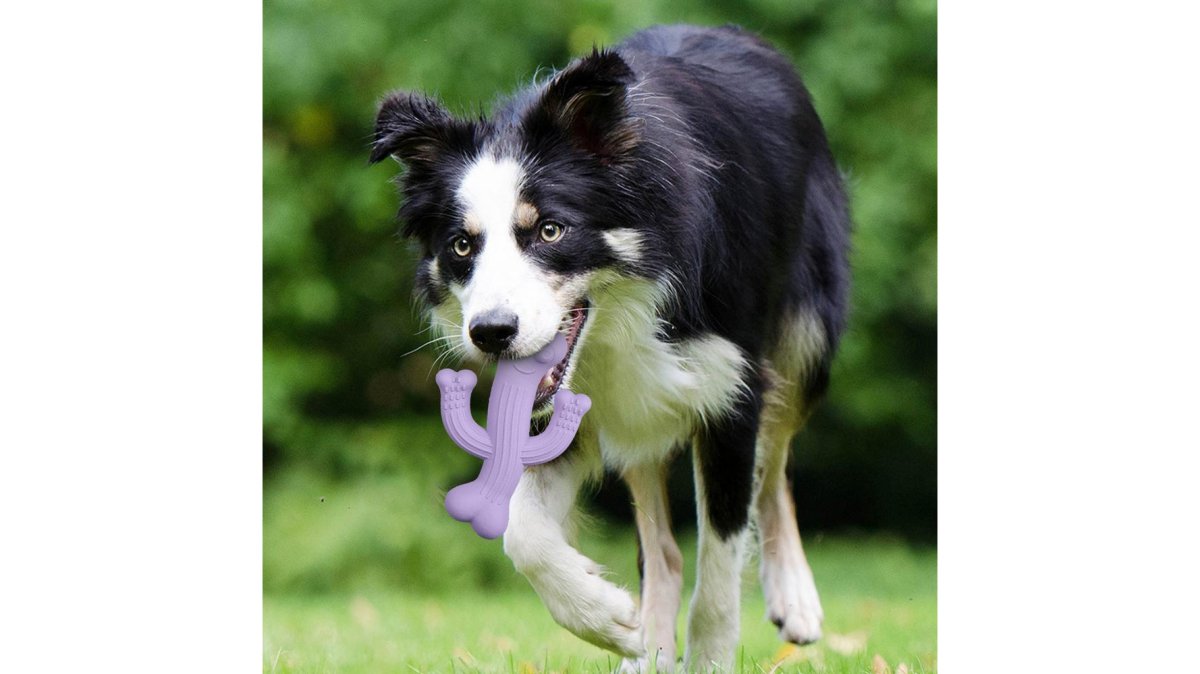
Rubber toys should be natural rubber or high-grade synthetic rubber without phthalates or BPA. These materials flex without cracking and remain digestible if pieces separate. The SnugglePawsPetSupplies Squeaky Rubber Pet Teething Chew Toy uses strong, durable rubber with excellent bite resistance.

The Durable Cactus Pet Interactive Chew Toy combines bamboo fiber with rubber, creating a toy that grips well and resists tearing for extended play.
Avoid toys with small detachable parts, loose stitching, or thin materials. Quality toys have reinforced stitching and squeakers sewn securely inside, not glued.
Check product reviews and return policies to assess durability, as quality issues often emerge only after purchase.

Pet Product Safety Standards and Certifications
Legitimate pet products meet established safety standards. In the United States, the CPSC oversees product safety (Products Under the Jurisdiction of Other Federal Agencies and Federal Links). Understanding which certifications matter and how to verify them separates informed buyers from those relying on marketing language.
Understanding Key Certifications and How to Verify Them
The AAFCO sets nutritional standards for pet food. Look for the AAFCO statement on packaging, which indicates the product was formulated to meet standards. Some premium brands conduct feeding trials for stronger evidence of nutritional adequacy.
Organic and Natural Certifications for Pet Food
How to Verify Certifications Aren't Counterfeit
Manufacturers sometimes display certification logos without actual compliance. Check the manufacturer's website for certificate numbers, contact the certifying organization for documentation, search the CPSC database for recalls, request certificates of analysis (COA) for pet food, and verify facility audits.
Red Flags in Certification Claims
If a manufacturer cannot provide a certificate number or test report, the claim is unsubstantiated. Legitimate certifications are central to a brand's marketing because they represent significant investment in quality assurance.
Products certified by multiple independent organizations demonstrate genuine commitment to quality. Use certifications as one data point alongside recall history, ingredient sourcing transparency, and customer feedback.
Physical Indicators of Quality in Pet Supplies
Weight and construction density reveal quality. Well-made pet beds feel substantial and maintain shape under a pet's weight, while cheap beds compress immediately.
Double-stitched seams resist unraveling better than single-stitched construction. Reinforced corners and stress-point stitching indicate durability.
High quality fabrics feel soft without pilling and have consistent coloring. Zippers should slide smoothly and fasteners should be secure.
Well-designed toys balance properly in a pet's mouth and have smooth edges without rough spots. Unbalanced toys feel awkward and get abandoned quickly.
New products shouldn't have strong chemical odors. Quality manufacturing uses materials and adhesives with minimal volatile organic compounds.
Durable Cactus Pet Interactive Chew Toy →
Verifying Ingredient Sourcing and Manufacturing
Reputable manufacturers publish detailed sourcing information, naming suppliers and production facilities.
Single-origin sourcing allows manufacturers to maintain consistent quality control and traceability. Manufacturers transparent about sourcing changes earn trust.
Products made in facilities with strict quality assurance protocols perform more consistently. Some manufacturers conduct regular testing of finished products to verify nutritional profiles and safety.
Ask whether ingredients are gently processed to preserve nutrients or high-heat processed, and whether products are made in dedicated facilities or share equipment with other products.
Third-party testing adds another layer of verification. Some manufacturers send finished products to independent laboratories for verification of nutritional content, contamination screening, and safety testing. These results, when published, demonstrate genuine commitment to quality assurance beyond marketing claims.
Recall History and Third-Party Verification
A product's recall history reveals whether manufacturers maintain rigorous quality standards and respond transparently to safety issues. However, not all recalls are equal, and knowing how to research and interpret recall data is essential for making informed decisions.
How to Research Recalls Using Government Databases
The FDA maintains a searchable database of pet food recalls (the FDA). To research a specific product:
-
Search by product name or manufacturer. Enter the brand name (e.g., "Brand Name Dog Food") or manufacturer name. Results display all recalls associated with that product or company.
-
Note the recall date and reason. The database lists when the recall was issued and the specific reason (contamination, choking hazard, undeclared allergen, etc.). A recall from 2019 is less relevant than one from 2024, as it may reflect outdated manufacturing practices.
-
Check the recall classification. The FDA assigns recalls to three classes:
- Class I: A serious health hazard or death is possible. Examples include salmonella contamination or foreign objects in food. Class I recalls indicate significant manufacturing failures.
- Class II: Adverse health effects are possible but unlikely. Examples include minor contamination or mislabeling. These are more common and often resolved quickly.
- Class III: No reasonable probability of adverse health effects. Examples include packaging defects or minor labeling errors. These are the least serious.
A product with multiple Class I recalls suggests systemic quality problems. A single Class III recall, by contrast, may reflect a one-time labeling mistake.
-
Review the recall scope. Some recalls affect a single production batch (identified by lot number), while others affect all products from a manufacturer. Batch-specific recalls are less concerning than company-wide recalls, as they indicate isolated incidents rather than systemic failures.
For non-food items like toys and bedding, the Consumer Product Safety Commission (CPSC) maintains a database. The search process is similar: enter the product name or manufacturer and review the recall reason and date. CPSC recalls often cite specific hazards like choking risks, toxic materials, or sharp edges.
Interpreting Recall Patterns
A single recall, especially if it's Class II or III and resolved quickly, does not necessarily indicate poor quality. Manufacturing at scale involves millions of units, and occasional issues occur even at reputable companies. What matters is the pattern:
- One recall in five years: Likely an isolated incident. The manufacturer's overall quality is probably sound.
- Multiple recalls in one year: Suggests quality control breakdowns or facility issues. Approach with caution.
- Recalls for the same issue repeatedly: Indicates the manufacturer failed to address root causes. This is a serious red flag.
- Recalls affecting multiple product lines: Suggests facility-wide contamination or quality control failures, not just a single product problem.
Also note whether the manufacturer initiated the recall or was forced to do so by the FDA or CPSC. Voluntary recalls initiated by the manufacturer demonstrate proactive quality monitoring. Recalls initiated by government agencies after customer complaints suggest the manufacturer's internal systems failed to catch the problem.
Understanding Recall Response Time
How quickly a manufacturer responds to a recall matters. Check the recall date and the date the manufacturer announced the recall. If the FDA discovered contamination on January 15 but the manufacturer didn't announce a recall until February 1, this delay suggests weak internal communication or quality monitoring systems. Reputable manufacturers often announce recalls within days of discovering issues.
After a recall, check whether the manufacturer published a detailed explanation of what went wrong and what corrective actions were taken.
Third-Party Testing and Verification Services
Combining Data Points for Informed Decisions
- Recall history: No Class I recalls in the past three years is a good baseline.
- Certifications: AAFCO, ASTM, or ISO compliance indicates third-party verification.
- Manufacturer transparency: Can they provide sourcing information, facility details, and testing results?
- Customer feedback: Do verified purchasers report consistent quality and durability?
- Ingredient sourcing: Are ingredients named specifically, or are they vague?
Frequently Asked Questions
How do I know if a pet product will actually be durable for an active dog?
Look for reinforced stitching, bite-resistant materials like natural rubber or bamboo fiber, and weight ratings that match your pet's size. Check customer reviews for specific durability claims. Products like the Durable Cactus Pet Interactive Chew Toy are designed for puppies through large dogs and made with bamboo fiber and rubber for lasting strength. Ask about the manufacturer's warranty or durability guarantee before purchasing.
What should I look for when reading pet food labels?
Check the ingredient list for named meat sources (chicken, beef) in the first three ingredients rather than vague terms like 'meat meal.' Look for the AAFCO (Association of American Feed Control Officials) statement confirming the food meets nutritional standards. Avoid artificial preservatives and synthetic additives. The guaranteed analysis shows protein and fat percentages. Ingredient transparency and proper labeling indicate a manufacturer prioritizes pet nutrition.
What certifications should I look for on high quality pet products?
Look for AAFCO certification on pet food, which verifies nutritional adequacy.
How can I check a pet product's recall history before buying?
Visit the FDA's pet food recall page and the CPSC (Consumer Product Safety Commission) website to search for recalls on specific brands and products. Check manufacturer websites for their own recall announcements. Review recent customer feedback mentioning safety issues. Third-party verification through independent testing labs adds another layer of confidence. Brands transparent about recalls and corrective actions demonstrate commitment to pet safety and well-being.

